
Brawl Stars: How to Rank Up Faster by Choosing the Right Brawlers for Each Map
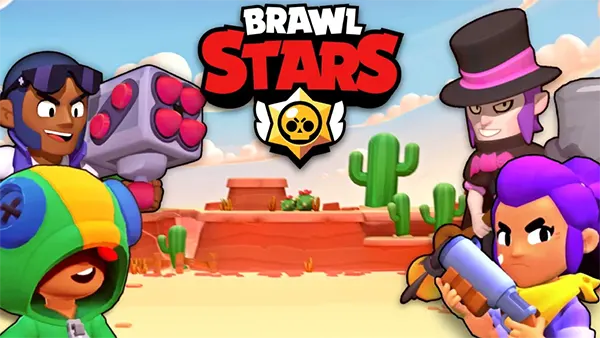
Ranking up in Brawl Stars in 2026 is no longer just about mechanical skill. The matchmaking system, expanded map pool and regular balance updates mean that smart draft choices now decide more games than raw aggression. If you want to push trophies consistently, you must understand how map geometry, game mode objectives and current meta trends influence brawler performance. This guide breaks down how to select the right brawlers for specific map types and how to turn that knowledge into steady rank progression.
Understanding Map Structure Before Picking a Brawler
Every competitive push starts with analysing the map. In 2026, Brawl Stars maps are more specialised than ever: some are open and long-ranged, others are dense with bushes and tight corridors. Ignoring this detail leads to predictable losses, especially above 600 trophies where opponents punish poor drafts immediately.
Open maps in modes such as Bounty and Knockout favour long-range damage dealers like Piper, Mandy or Belle. These brawlers control space and punish overextension. On the other hand, choosing a short-range tank like Bull on an open field almost guarantees constant chip damage and limited impact.
Conversely, bush-heavy Gem Grab or Brawl Ball maps reward close-range ambushers and area control specialists. Rosa, Buzz or Cordelius thrive in enclosed terrain where vision is restricted. The key is matching your effective range and mobility to the space the map provides.
How Map Objectives Influence Your Rank Progress
Game mode objectives are just as important as terrain. In Heist, for example, raw damage output and safe pressure matter more than eliminations. Brawlers such as Colt, Jessie or Chuck can melt the safe quickly if positioned correctly.
In Hot Zone, area denial and sustain become critical. Controllers like Sandy, Lou or Emz dominate by forcing enemies off the zone rather than chasing kills. Players who focus on eliminations instead of control often lose despite high damage numbers.
Brawl Ball requires a balance of mobility, burst and defensive tools. Fang or Max can turn defence into instant counter-attacks. Choosing slow, fragile brawlers on tight Brawl Ball maps often results in repeated pressure and lost ranks.
Adapting to the 2026 Meta and Balance Changes
Supercell’s 2026 balance updates have shifted power between assassins, controllers and sharpshooters. Ignoring the current meta slows your rank progression dramatically. Some brawlers remain strong across multiple maps, while others are niche picks dependent on specific layouts.
As of early 2026, versatile picks such as Pearl, Leon and Maisie provide flexibility in both mid-range engagements and objective control. Their adaptability makes them safe choices when team composition is uncertain.
Meanwhile, certain tanks have become more situational due to gadget and hypercharge adjustments. Overcommitting to outdated strategies—like triple tank rush on open maps—rarely works at higher trophy levels.
Building Flexible Team Compositions
Successful rank pushing requires synergy. A balanced trio often includes a damage dealer, a control or support pick, and either mobility or burst potential. Random compositions without role distribution struggle against coordinated teams.
Communication in pre-made teams allows for counter-picking. If opponents choose double sharpshooters, adding a pressure assassin like Edgar or Mortis on bush-heavy maps can swing control. However, forcing assassins on open maps remains risky.
Solo queue players should prioritise self-sufficient brawlers. Picks with escape tools or sustain reduce dependency on teammates. In 2026, survivability and consistency often outweigh flashy high-risk plays.
Practical Rank-Up Strategy for Consistent Trophy Growth
Climbing efficiently requires planning sessions rather than endless grinding. Focus on a limited pool of 5–7 brawlers suited to different map types. Mastery of positioning, gadget timing and hypercharge activation gives more value than constantly switching characters.
Study the active map rotation before playing. Knowing which maps are in rotation lets you pre-select your strongest brawlers and avoid unfavourable matchups. This preparation alone can increase win rates significantly.
Finally, analyse your losses. If you repeatedly lose on long-range maps, the issue may not be aim but poor lane control or risky positioning. Adjusting your brawler choice can often fix the problem faster than mechanical training.
Common Mistakes That Slow Down Ranking
One of the most common mistakes is picking favourite brawlers regardless of map suitability. Comfort matters, but forcing short-range picks on sniper maps results in avoidable defeats.
Another issue is ignoring lane assignments. Even the correct brawler underperforms if placed against a hard counter. Learning matchups and adapting lanes early in the match improves survival and map control.
Lastly, over-aggression loses more games than passivity at higher ranks. Smart pressure, controlled retreats and objective awareness separate steady climbers from players stuck at the same trophy range.
Popular articles
-
 Eversoul — Gacha Mechanics and Team Develo...
Eversoul stands out among modern mobile RPGs …
-
 Nintendo Switch 2 mouse controls: can Joy-...
The upcoming Nintendo Switch 2 introduces a …
-
Brawl Stars: How to Rank Up Faster by Choo...
Ranking up in Brawl Stars in 2026 …